AI Supply Chains
A hub for collecting resources on AI supply chains and coordinating events on the topic.
This page is under construction 🤞🏼💪🏻🙈
In the meantime, visit the FAccT 2026 tutorial page.
ACM FAccT 2026 · Tutorial
Studying, Governing, Critiquing and Tooling for AI Supply Chains
About the Tutorial
This 60-minute tutorial introduces participants to the concept of AI supply chains and the practical (or impractical) challenges researchers and practitioners face when attempting to study, audit, design or build systems composed from multiple AI and related components.
The tutorial aims to help the FAccT community better understand the technical realities and governance implications of AI supply chains, to identify opportunities for research that bridges technical and socio-technical perspectives, and to inform practitioners of the unique considerations developing under this new AI regime.
We will combine short framing presentations with two interactive panel discussions, bringing together perspectives from researchers studying AI infrastructure, developers building composite systems, and scholars analyzing power and governance in AI ecosystems.
What Are AI Supply Chains?
AI supply (or value) chains have become a norm; once monolithic systems—developed and deployed in isolation by individuals or small teams—are now built through increasingly complex, interconnected dependencies and through compositional applications. These chains enable organizations to leverage shared resources and expertise, yet introduce a suite of new technical, ethical, legal and regulatory challenges, as, unlike their manufacturing counterparts, they lack the modularity, redundancies, and transparency essential for easy correction of failures.
Research on AI supply chains is surprisingly nascent. While FAccT and broader ML communities have pioneered methods for auditing and regulating individual algorithms, these tools often falter when applied to the opaque networks of outsourced data, proprietary APIs, third-party tooling, or compositional deployments that define modern AI. We argue that the FAccT community must expand its gaze beyond single models, systems and their components to also account for the nature of modern algorithmic supply chains.
Schedule
-
0–2 min
Welcome, shared language setting
-
2–32 min
Panel 1: Power, Regulation, & Law in AI Supply Chains
Panelists
Themes & Motivation
This panel examines the political economy and governance implications of AI supply chains. As AI capabilities become centralized in large model providers and infrastructure platforms, downstream developers increasingly depend on proprietary APIs and services. This raises questions about power concentration, transparency, accountability, regulatory oversight, platform governance, infrastructure politics, activist efforts, and worker's rights.
-
32–35 min
Transition
-
35–55 min
Panel 2: Challenges in Studying, Building, and Tooling AI Supply Chains
Panelists
Themes & Motivation
This panel focuses on technical and methodological challenges faced by researchers and developers working with composed AI systems: auditing systems built from closed components, reproducing AI infrastructure without internal access, reliability and safety in composed systems, and burgeoning tooling and new methods of composition, including agentic protocols.
-
55–60 min
Wrap up: next steps
Mapping Examples
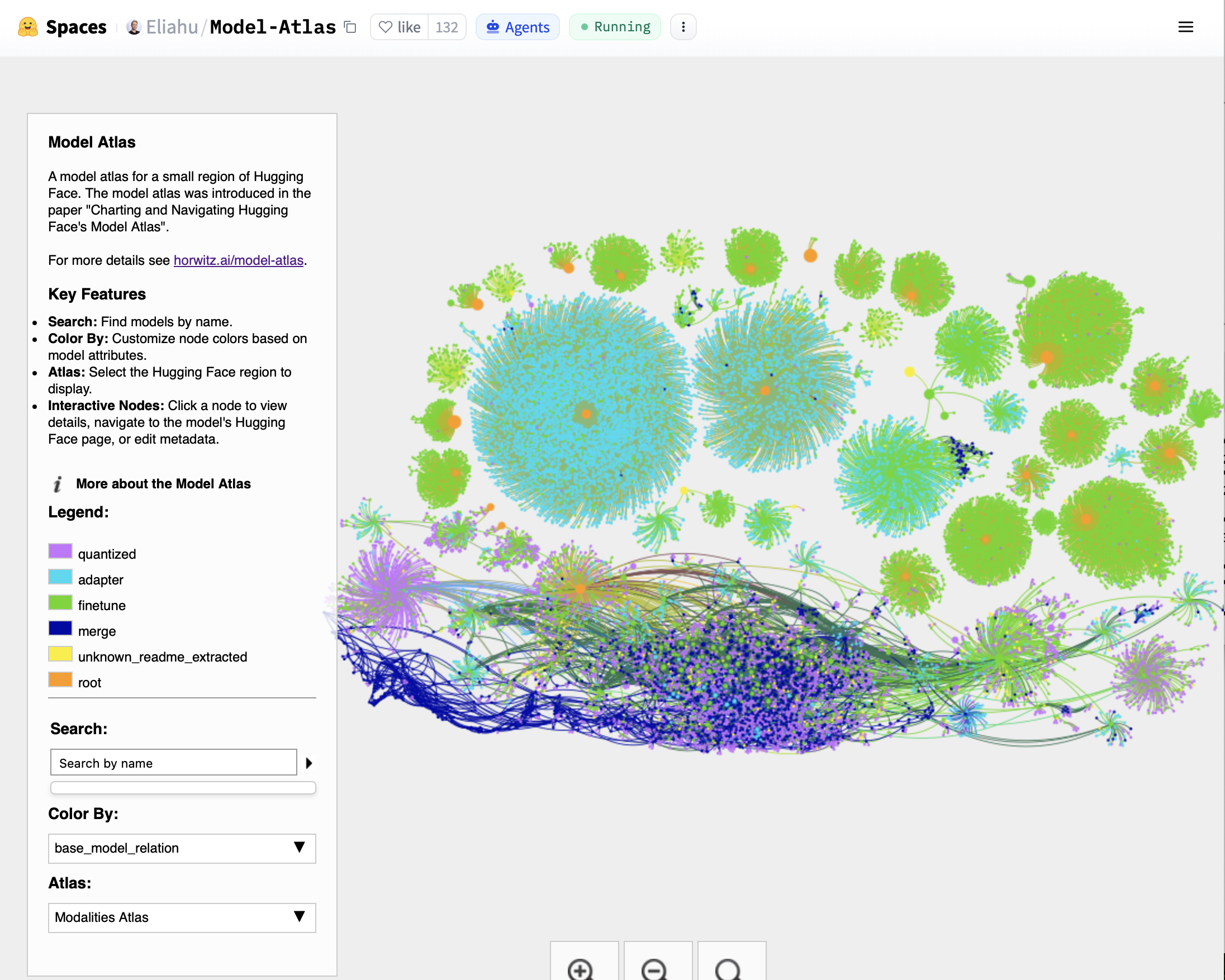
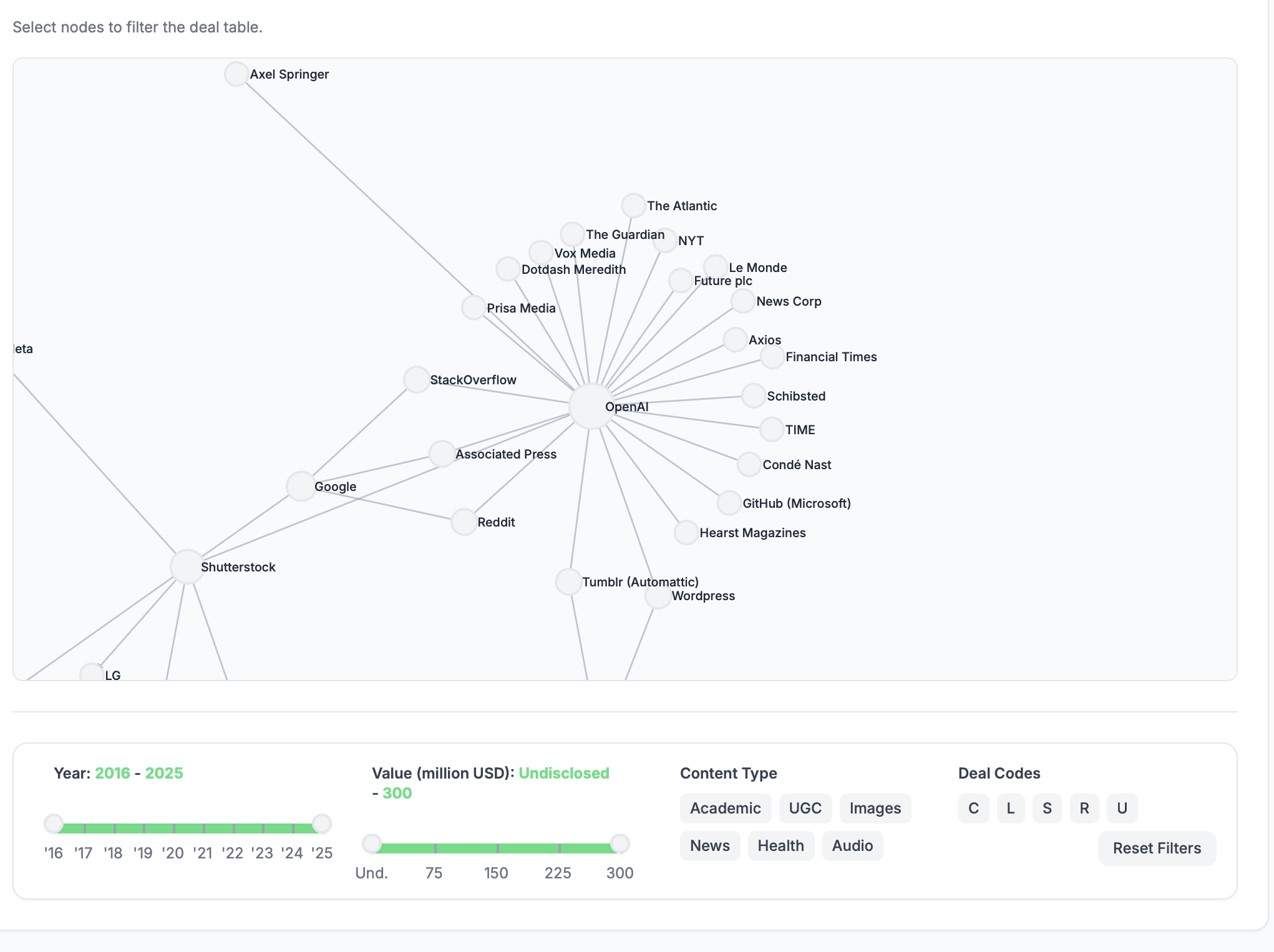
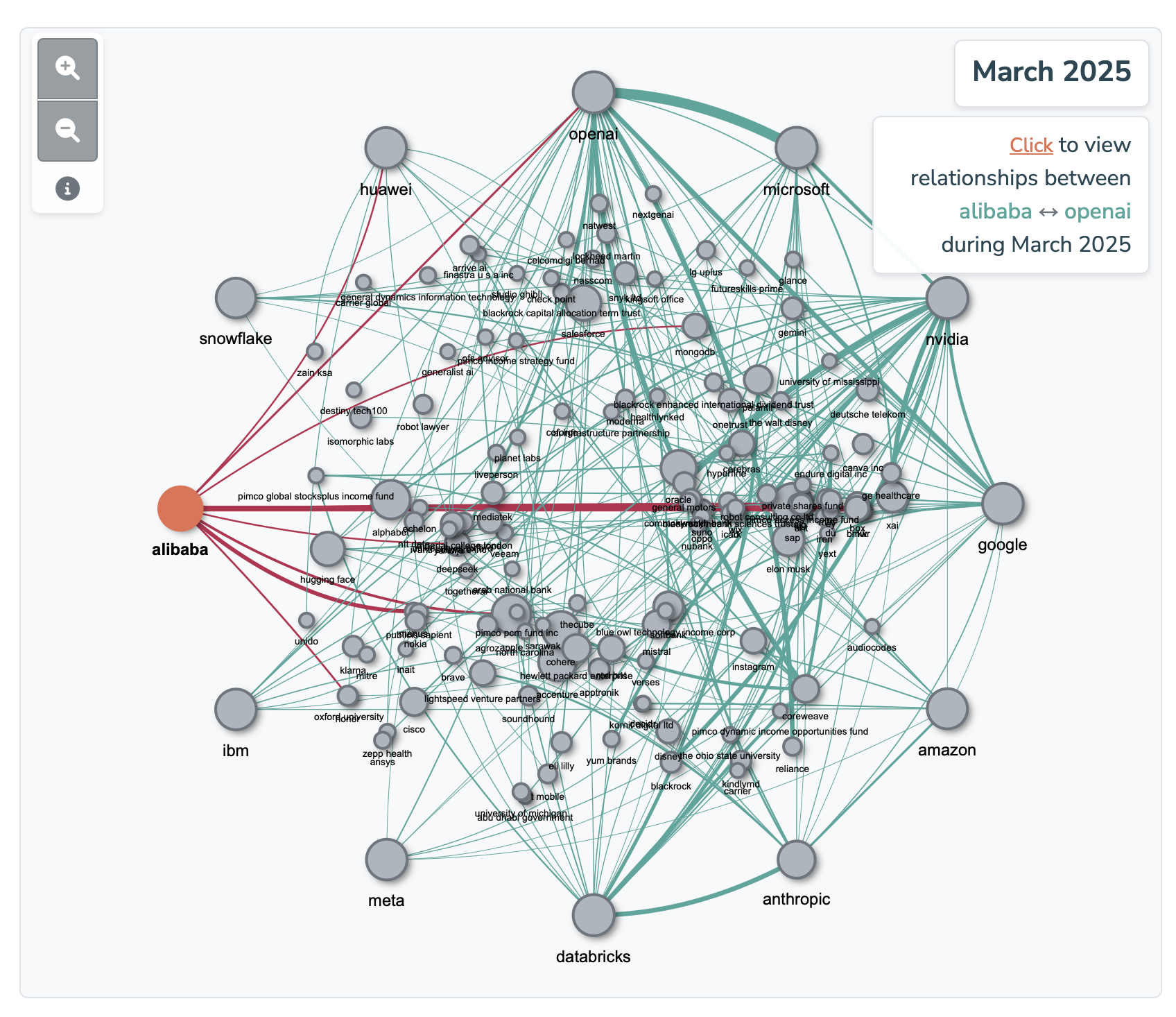
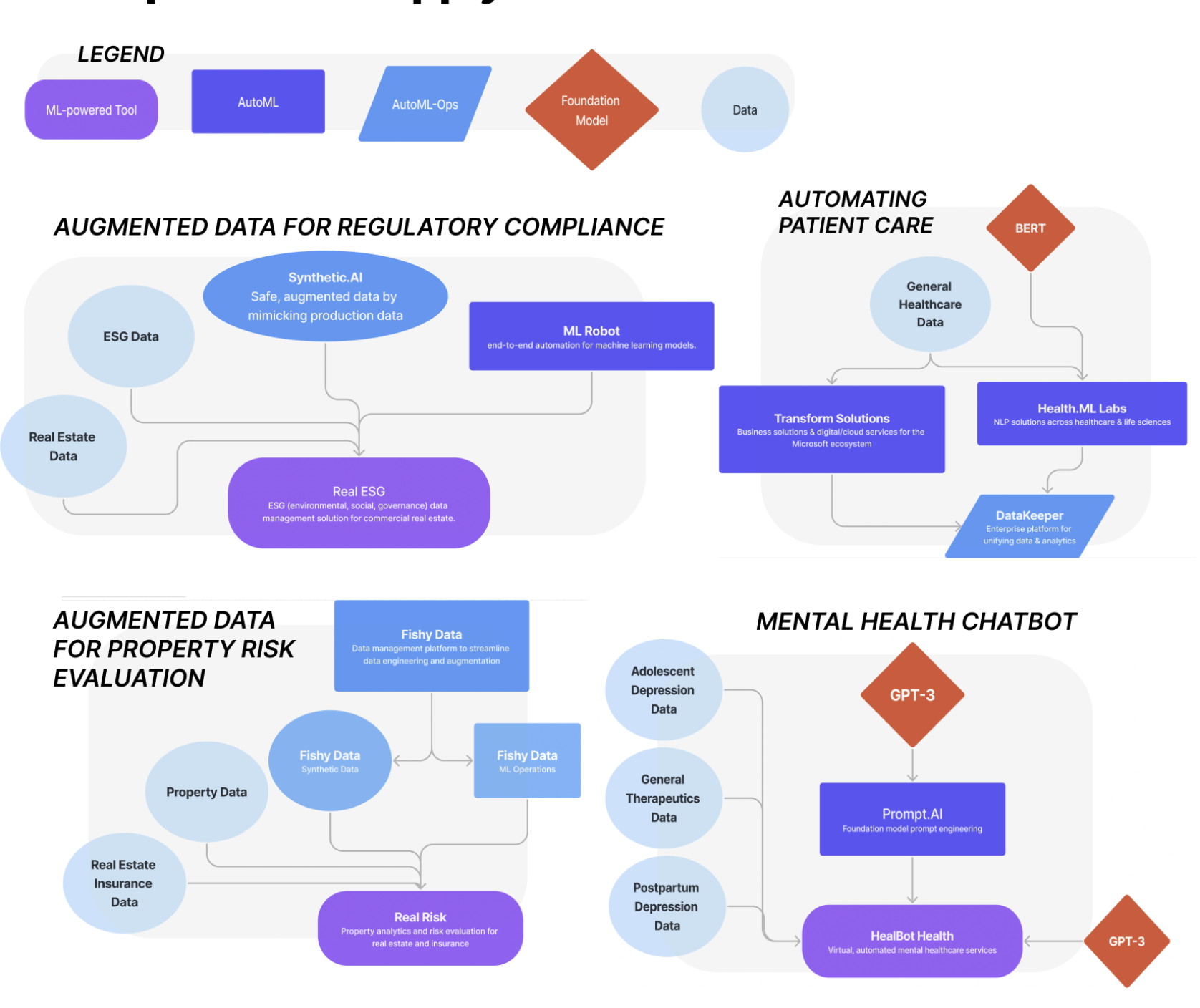
Interactive maps, essays, and research pages that ground the panel discussion in concrete AI supply-chain examples.
Growing Lit Compilation
A growing, collaboratively maintained list of resources on AI supply chains with short summaries intended as a long-standing resource for the research community. Suggestions welcome.